

At Woodside Hospitality Group, hospitality has never been about transactions. It’s about moments.
A guest arriving late after a long flight and being greeted with warmth. A couple celebrating an anniversary with a perfectly timed dinner reservation. A family asking, “What should we do today?” and getting an answer that feels personal, not programmed.
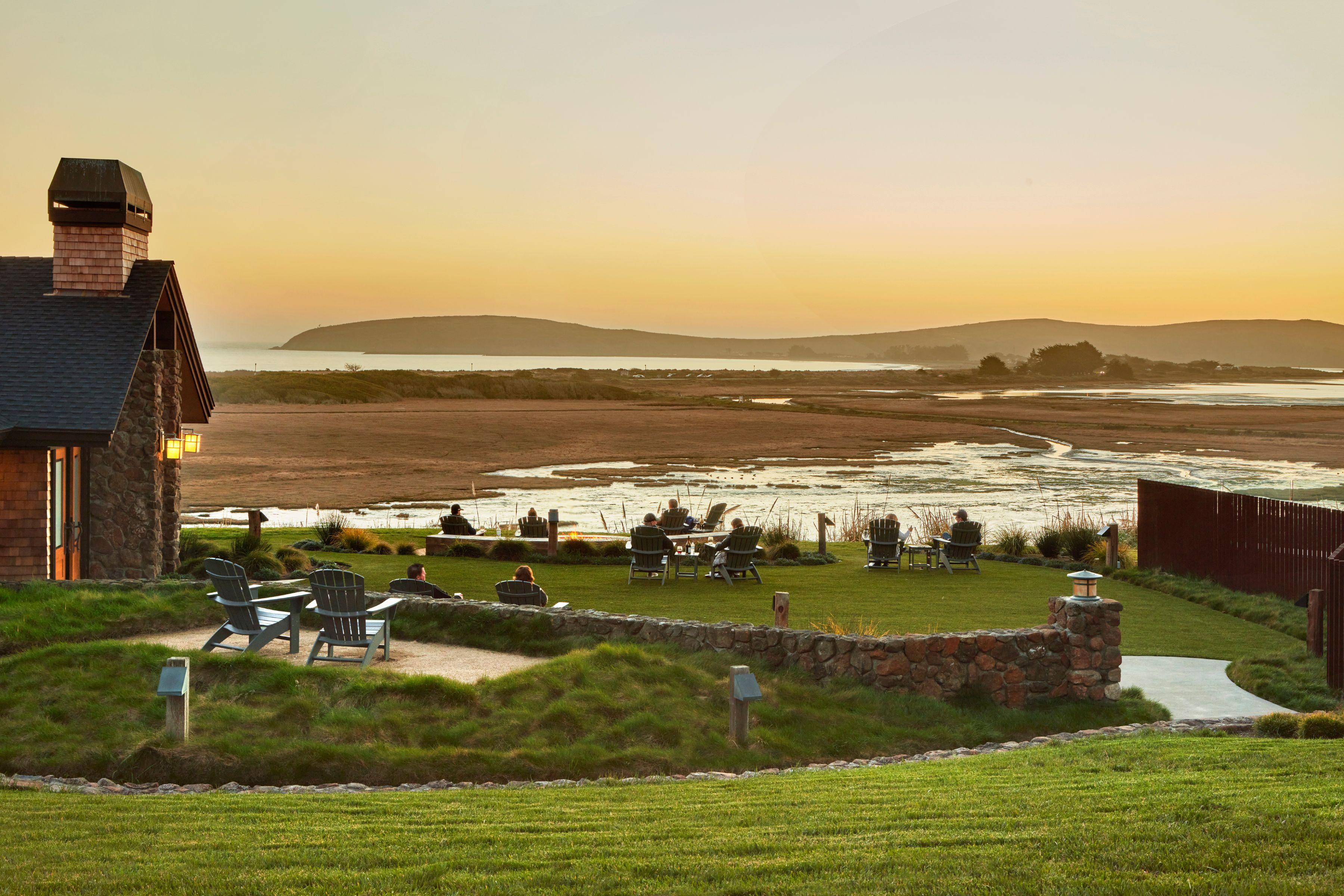
For more than 50 years, Woodside has built its brand around these moments. What started in 1972 as a small lodge on the Sonoma Coast has grown into a collection of independent hotels across Northern California, each one designed to feel deeply rooted in its surroundings, unmistakably local, and intentionally human.
But even the most thoughtful hospitality runs into a modern reality: guests don’t just want care, they want it instantly.
The gap between care and concierge
Inside the Woodside Collection’s hotels, the rhythm was familiar. Phones ringing. Front desk teams juggling check-ins while answering the same questions again and again: What time does the pool open? Is the fitness center available? Can I book dinner tonight?
Each question mattered. But collectively, they created friction, both for guests trying to get quick answers and for staff trying to stay present with the people right in front of them. There was also a quieter problem, one that showed up in missed opportunities. A guest trying to book a restaurant reservation might not wait for an answer. They’d simply move on. Another restaurant, another hotel, another experience.
Woodside didn’t want to replace the human touch. That was the whole point of their brand. But they needed a way to extend it, to meet guests wherever they were, whenever they needed it.
So they started looking at AI.
Continuously raising the bar for hospitality
For Greg Alden, President and CEO, the motivation was clear: “We wanted to offer a consistent, 24-hour way for our guests to connect with us—to get what they need, when they need it.”
When Woodside created their AI agent, they were looking for something closer to a digital concierge—something that could carry their voice, reflect their brand, and quietly handle the moments in between.
The first version was simple: A chat interface on their website that could answer questions instantly.
Guests began asking everything from the practical to the personal. What’s the pool temperature? Which airport should I fly into? What’s there to do nearby if I’m traveling with my family?
The answers came back immediately. But the real shift happened when the agent started doing more than just answering questions, but actually taking action.
If a weekend was filling up, it would suggest making a dinner reservation. If a guest was comparing room types, it would guide them toward the best option without forcing them through a maze of web pages.
Behind the scenes, Woodside’s team was shaping the experience in real time. Every week brought new feedback, new tweaks, new ideas. And what surprised them most wasn’t just that the system improved, it was how quickly it did.
“It learned faster than we expected,” Greg said. “We’d give feedback one week, and the next week it was already better.”
From front desk to everywhere
The impact didn’t arrive all at once, but gradually, in the rhythm of the day-to-day.
At the front desk, the phones started ringing a little less, and that small shift created something bigger: time. Time for staff to look up, make eye contact, and be present with the guests standing right in front of them instead of juggling calls about pool hours or parking.
In the restaurant, it meant fewer missed opportunities. When a guest couldn’t get through on the phone, they no longer disappeared, they booked through the chat instead, in seconds.
Guests noticed. In post-stay surveys, they began calling out how easy it was to get information, how seamless it felt to have answers right at their fingertips.
And internally, something clicked. This wasn’t replacing hospitality, it was protecting it. By quietly taking on the repetitive and the routine, Woodside’s agent created space for the kind of interactions they have always cared about—the human ones.
Where the conversation moves next
The team isn’t stopping here. Today, most guests still default to calling when they need something, so Woodside is focused on meeting them there. With Sierra bringing that same experience to voice, guests won’t need to navigate a website or type a question. They’ll simply speak and the agent can answer questions, make reservations, and guide them in real time.
The vision is simple: wherever a guest reaches out, the experience responds just as naturally as a human would over the phone.
Because in the end, this isn’t about adding more technology. It’s about removing friction so hospitality can show up more effortlessly, whenever it’s needed.